

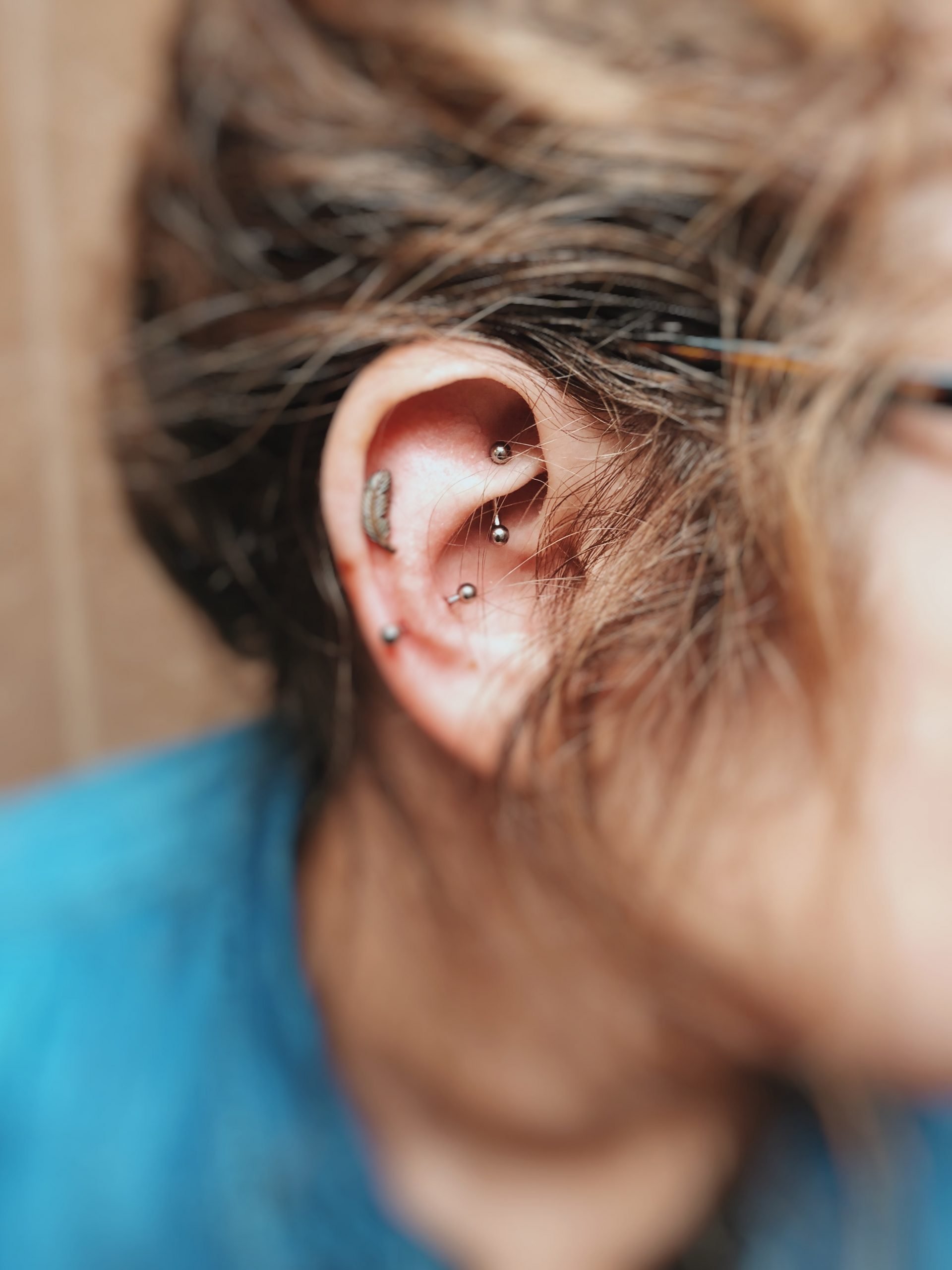
The Ultimate Guide to Body Piercing: Answers, Expertise, and What You Need to Know
Body piercing has evolved from ancient traditions to a modern form of self-expression, fashion, and personal meaning. If you’re considering a piercing or simply want authoritative information, this guide delivers clear answers, expert insights, and the up-to-date facts you need.
Keep in mind that Body Piercing is an emerging field and there are still areas of the United States that are not regulated. Some areas require only the establishment to be licensed. Some areas only have licenses for the technician, some have both, some have none. If you live in an area that is unregulated, look for a shop that is clean, professional, and uses implant grade jewelry.
What Is Body Piercing?
Body piercing is the practice of puncturing a part of the human body with a beveled, hollow needle to create an opening in which jewelry may be worn. While ear lobe piercings are the most common, body piercing encompasses a wide variety of placements, including the nose, eyebrows, lips, tongue, navel, nipples, and even surface and dermal locations.
Why Do People Get Body Piercings?
People choose body piercings for numerous reasons:
- Self-expression and individuality
- Cultural or religious traditions
- Aesthetic appeal or fashion statements
- Personal milestones or symbolic meanings
- Rebellion or social identity
Each piercing can carry deeply personal significance, reflect membership in a community, or simply be a fun way to accessorize.
What Types of Body Piercings Are There?
Ear Piercings
- Lobe
- Helix (upper ear cartilage)
- Tragus
- Daith, rook, conch, industrial, and more
Facial Piercings
- Nose (nostril, septum, bridge)
- Eyebrow
- Lip (labret, Monroe, Medusa, snake bites, etc.)
- Tongue
Body Piercings
- Navel/Belly button
- Nipple
- Genital (various types for all genders)
- Surface and dermal piercings
Body Piercings and the jewelry that adorns them are constantly changing. If you have a dream piercing, make sure to bring a picture to show your Body Piercing Professional.
How Is a Body Piercing Performed?
A professional piercer uses sterilized, single-use, beveled needles to create the piercing. The process typically involves:
- Consultation: Discuss placement, jewelry options, and aftercare.
- Preparation: The area is cleaned and marked for accuracy.
- Piercing: A sterile needle creates the hole; jewelry is immediately inserted.
- Aftercare instructions: Critical for proper healing and infection prevention.
What Should I Look for in a Professional Piercer?
- Licensing and certification: Ensure the studio and piercer are properly licensed.
- Sterilization practices: Tools should be autoclaved, and piercers should use gloves and single-use needles.The sterile packages should be opened in front of you. While the tools are sterile, the process of piercing itself is not.
- Portfolio and experience: Ask to see previous work and check reviews.
- Open communication: A good piercer answers all questions and makes you feel comfortable.
- A cooperative, learning environment: Look for a studio with multiple Piercers who consult with each other. Body Piercing is a learning profession. No two bodies are exactly the same, and your Professional Piercer should not be afraid to consult with another Piercer if they have questions on placement or technique.
How Do I Choose the Right Jewelry?
- Material: Implant-grade titanium, surgical steel, or solid gold are safest.
- Style and size: Select jewelry appropriate for your anatomy and piercing type. Your Piercing Professional can help with size and style options at the time of your piercing.
- Initial jewelry: Should be slightly larger to allow for swelling.
- Nickel-free options: Especially for those with allergies.
What Is the Healing Process Like?
Healing times vary by piercing location. Every body is different, and your healing may vary. The timelines below are guides, not rules. Any piercing can take from 6 months to 1 year or longer to heal completely.
- Earlobe: 6–8 weeks
- Cartilage: 3–12 months
- Nostril: 2–4 months
- Septum: 6–8 weeks
- Tongue: 3–4 weeks
- Navel: 6–12 months
- Nipple: 6–12 months
Healing is gradual. Swelling, redness, and minor discomfort are common at first. Strict aftercare is vital to prevent infection and complications. No one is perfect, if you forget to do your aftercare, just make sure to go back to doing it as soon as possible.
What Are the Risks and How Can I Prevent Complications?
Risks
- Infection
- Allergic reactions (especially to nickel)
- Scarring or keloids
- Migration and rejection
- Nerve damage (rare with professional piercers)
Prevention
- Follow aftercare instructions exactly
- Do not touch or twist jewelry unnecessarily
- Avoid swimming in pools, lakes, or hot tubs during initial healing
- Use only saline or recommended solutions for cleaning
- Seek professional help if you notice signs of infection (excessive redness, swelling, heat, pus, or fever)
How Do I Care for a New Piercing?
- Clean twice daily with a saline solution soak
- Avoid alcohol, hydrogen peroxide, or ointments
- Do not remove jewelry during healing
- Be gentle: no twisting, turning, or unnecessary movement
- Watch for signs of trouble
Can I Change My Jewelry? When and How?
Jewelry should only be changed after the piercing has fully healed. Changing jewelry too soon can cause irritation, prolong healing, or lead to infection. Always wash hands thoroughly and use sterile jewelry. When in doubt, have changes made by a professional piercer.
How Do I Know If a Piercing Is Infected?
Warning signs include:
- Persistent redness and swelling
- Pain that worsens over time
- Yellow, green, or foul-smelling discharge
- Fever or chills
If you suspect infection, contact a healthcare professional promptly.
Are There Contraindications or People Who Should Avoid Piercings?
You should avoid body piercing if you:
- Have blood clotting disorders
- Are prone to keloids
- Have active skin infections or certain autoimmune diseases
- Are pregnant (for certain piercings)
- Are unable to care for the piercing properly (due to work, sports, etc.)
Always consult with a healthcare provider and your piercer if you have medical concerns.
What Is the History and Cultural Significance of Body Piercing?
Body piercing has roots in ancient cultures:
- Egypt: Royalty wore navel piercings
- India: Nose piercing is a tradition tied to culture and Ayurveda
- Africa: Various groups, such as the Maasai, practice ear and lip stretching
- Native American tribes: Used piercings in rituals
Modern piercing blends these traditions with contemporary aesthetics and body art culture.
What Are the Latest Trends in Body Piercing?
- Constellation ear piercings: Multiple tiny studs in artistic arrangements
- Septum rings: Growing in popularity
- Bridge and surface piercings: Bold fashion statements
- Minimalist jewelry: Subtle, dainty options
- Alternative placements: Unusual sites like the high nostril, medusa, or dermal piercings
What Should I Know About Piercing Laws and Age Restrictions?
Most states:
- Prohibit minors under 18 from body piercing without parental consent
- Require ID and completion of consent forms
- Have regulations for health and safety standards
Always check your local laws before getting pierced.Specific ID requirements for minors and the adults who accompany them can be found online. It is important to know what ID to bring with you to prove the adult in the room during the piercing is your parent or legal guardian.
Frequently Asked Questions (FAQ)
Is body piercing safe?
When done by a professional using sterile techniques and appropriate jewelry, body piercing is generally safe.
How much does a body piercing cost?
Prices range from $80–$100 or more, depending on location, type, and jewelry. Always prioritize safety and quality over cost. Choose a studio that allows you a say in what jewelry you can choose for your initial piercing.
Does it hurt?
Pain is subjective and depends on placement, but most report a sharp pinch and brief discomfort.
Can I bring my own jewelry?
Licensed studios require you to use their initial jewelry to ensure quality and sterility, as most laws governing body piercing have specific requirements. After healing, you can often switch to your own, suitable pieces.
How soon can I swim after a piercing?
It’s best to avoid swimming in pools, lakes, rivers, and hot tubs for the entire healing period to prevent infection. If your piercing is on your face or ears, just make sure not to submerge your head in the water, and do good aftercare as soon as you are done swimming.
What if I want to remove my piercing?
Jewelry can be removed at any time, though the hole may close quickly, especially in the first year. Some scars are possible.
Can I have an MRI with body piercings?
Most jewelry made of titanium or surgical steel is MRI-safe, but you may be asked to remove it for imaging. Always notify your technician.
How do I minimize scarring?
Follow aftercare, avoid trauma to the area, and don’t remove jewelry too early. If you’re prone to keloids, discuss this risk with your piercer.
Expert Tips for a Successful Piercing Experience
- Choose a reputable studio with excellent hygiene.
- Don’t rush healing—be patient.
- Ask questions and trust your instincts.
- Look for a studio that encourages ongoing learning and collaboration.
- Embrace aftercare as part of the process.







Leave a Reply